

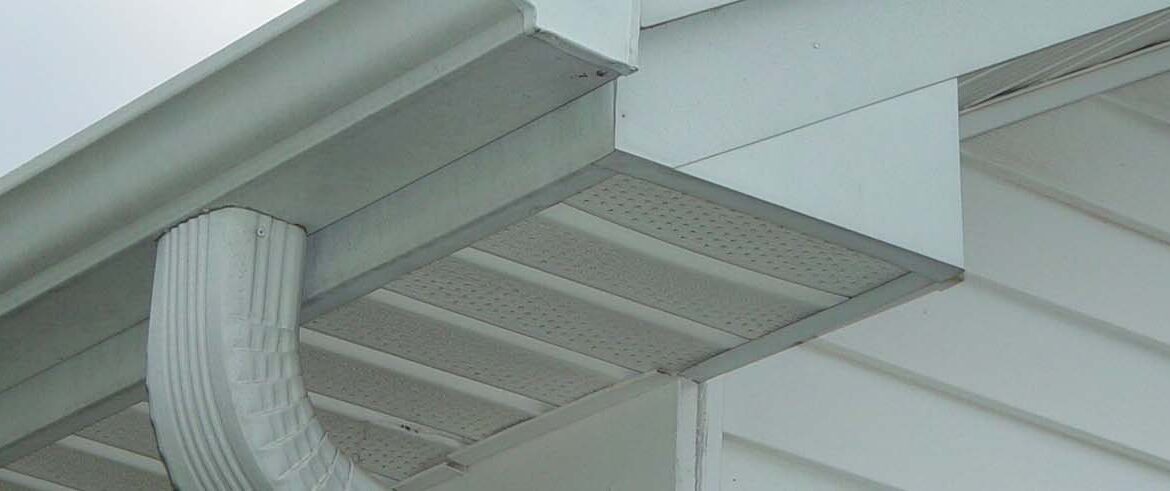
Homeowners frequently concentrate on the roof, gutters, or foundation when considering water protection for their property. However, the downspouts are another crucial component of the system that can influence whether rainwater and snowmelt stay safely away from the house.
The purpose of downspouts is to transfer water gathered by your gutters away from the foundation of your house. Water can build up around the foundation and eventually make its way into crawlspaces and basements if they are misplaced, blocked, broken, too short, or put incorrectly.
This can be a very serious issue for Billings homes. Residential drainage systems may be severely strained by seasonal precipitation, snowmelt, cold temperatures, and abrupt weather changes.
Knowing how moisture and downspouts are related might help you identify issues early and take action before minor drainage problems turn into costly structural damage.
The Significance of Downspouts for Your House
Water from your roof is collected by your gutter system, but its subsequent destination is decided by the downspouts.
When a downspout is operating properly, it should transport water away from the base of the house and discharge it in a location where it may safely drain.
When that procedure is carried out properly, it aids in preventing:
- Erosion of the soil surrounding the foundation
- Water collecting close to the walls of the basement
- Too much moisture near crawlspaces
- Deterioration of the foundation
- Damage to the landscape
- Leaks in the basement
Downspout water problems can rapidly grow into far more serious poor drainage issues when downspouts are unable to transfer water away from the house.
How Inadequate Downspouts Cause Water Damage in Basements
Basement water damage is one of the most frequent effects of poorly designed or installed downspouts.
Imagine a downspout that, during a strong storm, releases hundreds of gallons of water very next to your foundation. Saturation occurs in the surrounding soil. Hydrostatic pressure against the foundation walls rises as water continues to build up.
Moisture may eventually seep through:
- Cracks in the foundation
- Joints in construction
- Concrete that is porous
- Penetrations in basement walls
- Joints between the floor and walls
An expensive basement repair may eventually result from what starts out as a gutter drainage issue.
Foundation Water Intrusion Frequently Begins Outside
Many homeowners believe that moisture in the basement indicates an urgent need for internal waterproofing. The root of the issue may be external, even though internal fixes can occasionally be helpful.
When water is frequently released too close to the house, it can lead to foundation water intrusion.
The soil surrounding foundation walls may become saturated by poorly placed downspouts, increasing the amount of rainwater pressing against the building.
Because of this, any plan for avoiding basement moisture should include managing drainage around the outside of your house.
Five Downspout Issues That Could Cause Damage to Your Crawlspace or Basement
Not every drainage issue has the same appearance. These are a few of the most frequent problems that homeowners in Billings should be aware of.
Downspouts that terminate too near to the foundation
Water streaming out of a downspout may give the impression that it is functioning. However, the system can still be generating issues if the discharge point is close to the house.
Problems with water seepage foundations might arise from the release of water near the foundation, which can saturate the surrounding soil.
It frequently makes a big impact to extend the downspout farther away from the home.
Blocked Downspouts
Downspouts can become clogged with debris from roofs, leaves, dirt, and pine needles.
Water may spill over close to the rooftop or back up into the gutters when it is unable to flow freely.
The ensuing downspout water issues may result in standing water surrounding the foundation and raise the possibility of moisture in the crawlspace or basement.
One easy method to lower this risk is to clean your gutters and downspouts on a regular basis.
Downspouts that are broken or disconnected
Downspouts may break from their connections, become loose, fractured, or damaged.
Water may flow straight toward your house rather than away from it if a part is disconnected.
This may result in concentrated water torrents against the foundation during a strong storm. Foundation water intrusion and other moisture-related issues may be exacerbated by repeated exposure.
Inadequately Planned Drainage
Inadequate design of the surrounding drainage system may cause even an unbroken downspout to malfunction.
Water might be released, for instance, into a space that slopes back toward the house instead of away from it.
For this reason, fixing a downspout isn’t always the best solution for poor drainage issues. It could be necessary to assess the overall water flow surrounding the property.
Winter Drainage Issues and Frozen Downspouts
Residential drainage systems may face significant difficulties during Billings winters.
While freeze-thaw cycles can harm components and temporarily hinder drainage, snow and ice can obstruct downspouts.
Water can build up around the foundation when melting snow is unable to adequately move away from the house.
Recurrent winter drainage issues may eventually lead to moisture intrusion and additional harm.
Crawlspace Flooding: An Issue Homeowners Must Address
Because crawlspaces are near the earth, they are especially susceptible to water.
Saturated soil may allow moisture to move into the crawlspace if downspouts discharge water close to the foundation.
This may result in crawlspace flooding in extreme circumstances.
Excessive humidity can cause long-term issues even in the absence of standing water.
Keep an eye out for indicators like:
- Wet insulation
- Wet or discolored wood
- Musty smells
- Condensation
- The growth of mold
- Deteriorating or soft structural materials
All of these could be signs that moisture is entering your crawlspace.
Home Moisture Issues Can Be Costly
Long-term exposure to water doesn’t usually result in severe, immediate harm. The process can be slow at times.
Because of this, moisture problems homes should be fixed before they worsen.
Prolonged wetness can lead to:
- Deterioration of wood
- The growth of mold
- Insulation damage
- Unpleasant smells
- Deterioration of the foundation
- Poor quality of indoor air
- Higher repair expenses
A minor drainage fix made now may be able to stop a much bigger issue down the road.
The Relationship Between Your Foundation and Water Seepage
Although concrete appears to be absolutely solid, it is not completely waterproof.
When the surrounding soil remains saturated, moisture can pass through tiny fractures, joints, and porous regions.
Basement floors and walls may eventually be impacted by recurring water seepage foundation issues.
Don’t assume that the issue is just typical seasonal wetness if you observe persistent dampness following rain or snowmelt. It’s time to assess your drainage system.
Indications of a Failing Drainage System
How can you determine whether your downspouts are functioning properly?
Keep an eye out for these red flags:
Outside of your house
- Water standing close to the foundation
- Soil erosion beneath downspouts
- Muddy, still-wet places
- Water moving in the direction of the house
- Directly discharging downspouts against the foundation
Within your house
- Wet walls in the basement
- Stains from water
- Musty smells
- Insulation for damp crawlspaces
- Paint peeling
- Mildew or mold
These signs may point to a drainage system failure that requires expert care.
Basement and crawlspace Mold Risk
Mold and moisture frequently go hand in hand.
Mold can form in a basement or crawlspace that is constantly damp, especially if moisture is stored there for long periods of time.
This increases the mold risk basements and crawlspaces can experience.
In general, it is better to avoid wetness than to wait until mold appears. One component of that preventative approach is proper downspout drainage.
Home Waterproofing Basics: Start Outside
Homeowners frequently associate waterproofing with sump pumps, sealants, and interior drainage systems.
Controlling water before it reaches the foundation should be the first step in home waterproofing basics, while those solutions may be helpful.
This entails ensuring:
- The gutters are functional and clean.
- Downspouts are fastened firmly.
- Water is released from the foundation by downspouts.
- When feasible, the surrounding earth slopes away from the house.
- There are no impediments to drainage systems.
- Vulnerabilities such as foundation cracks are assessed.
Keeping water flowing away from the structure is the straightforward objective.
How Experts Solve Downspout Issues
Hiring a professional allows them to assess more than just the obvious downspout.
A comprehensive examination could consist of:
Verifying the downspout and gutter connections
- Searching for damage or obstructions
- Assessing water flow
- Examining discharge sites
- Verifying the foundation’s grading
- Determining possible crawlspace or basement entrance points
- Suggesting improvements to drainage or extensions
Splash blocks, subterranean drainage, gutter repairs, downspout extensions, and larger exterior drainage upgrades are some possible remedies, depending on the issue.
The way water flows around your particular property will determine the best course of action.
Don’t Ignore Minor Drainage Issues
You might not consider a puddle next to your home to be an issue. A loose downspout may appear to be a small maintenance problem.
However, repeated exposure to water accumulates.
The sooner you address downspout water problems, the easier it may be to prevent serious basement water damage, crawlspace moisture, and foundation problems.
If you observe persistent problems following storms or snowmelt, think about having your drainage system evaluated rather than waiting until water starts to appear inside your house.
Prevent Water Damage to Your Billings House
Despite being little parts of the outside of your house, your downspouts play a crucial role in diverting water away from your foundation.
They can prevent foundation water intrusion, lessen poor drainage issues, and safeguard susceptible areas like crawlspaces and basements when installed, maintained, and placed correctly.
However, a drainage system failure might eventually lead to major moisture issues if they are ignored.
Maintaining downspouts is a vital aspect of safeguarding the entire house for homeowners in Billings. You can lower the risk of costly water-related repairs and better protect your home’s foundation, basement, and crawlspace throughout Montana’s changing seasons by taking care of drainage issues early on and learning the home waterproofing basics. Get a quote